WHY IS BLUE THE MOST POPULAR COLOUR?
The answer is in the question. Blue is the dominant colour in nature. But there is also one more reason: everyone, even non-sighted among us, possesses the receptors to perceive blue.
At the same time, for centuries, reproducing blue by human hand required hard labour and significant expense. This is why William Gass called it a “mirage” in his treatise On Being Blue:
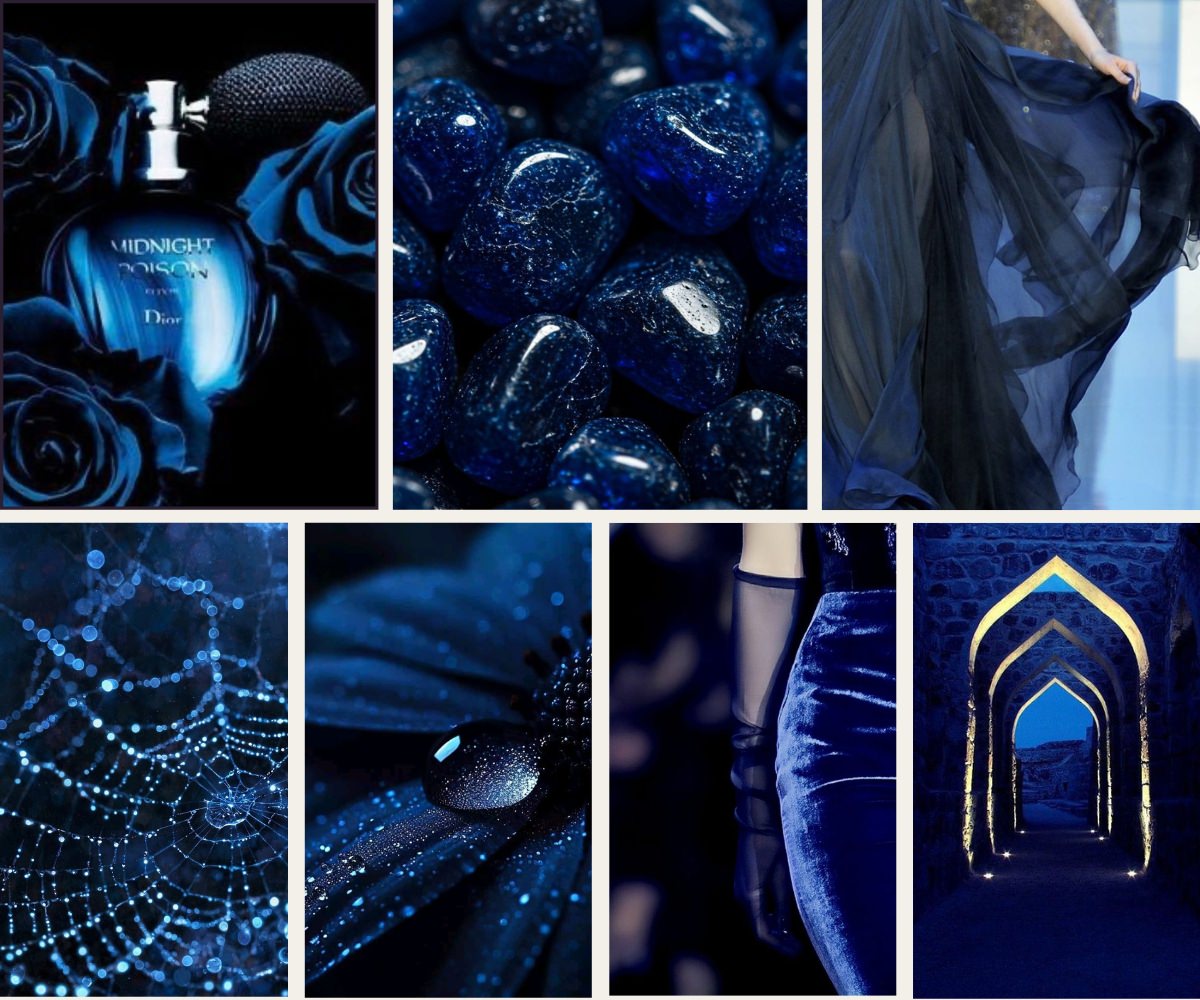
“Among the ancient elements, blue occurs everywhere: in ice and water, in the flame as purely as in the flower, overhead and inside caves, covering fruit and oozing out of clay. Yet we can’t handle or touch the blue of the flame any more than we can bottle the blue of the sky.”
Though no longer rare as a pigment, the poetic nature of blue lives on in many idioms:
To feel blue
Out of the blue
Once in a blue moon
Blue-blooded
Black and blue
Blue-collar worker
Blue in the face
RICH HISTORY OF BLUE PIGMENTS
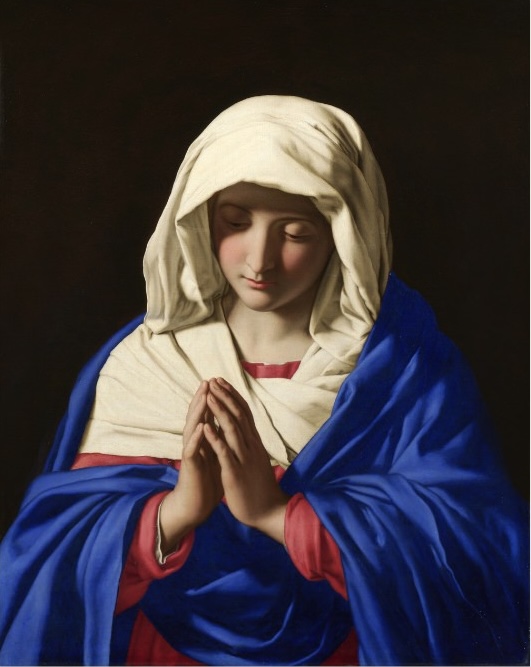
From the 12th century, blue was associated with Mary and later with royal families. ULTRAMARINE, intense night-colours blue from the Lapis lazuli, came from the Sar-e-Sang mines in Afghanistan until the 18th century. It was difficult to source, grind, and purify. INDIGO, the second “noble” blue, was obtained from fermented leaves. Both required intensive labour, care, and patience to produce.
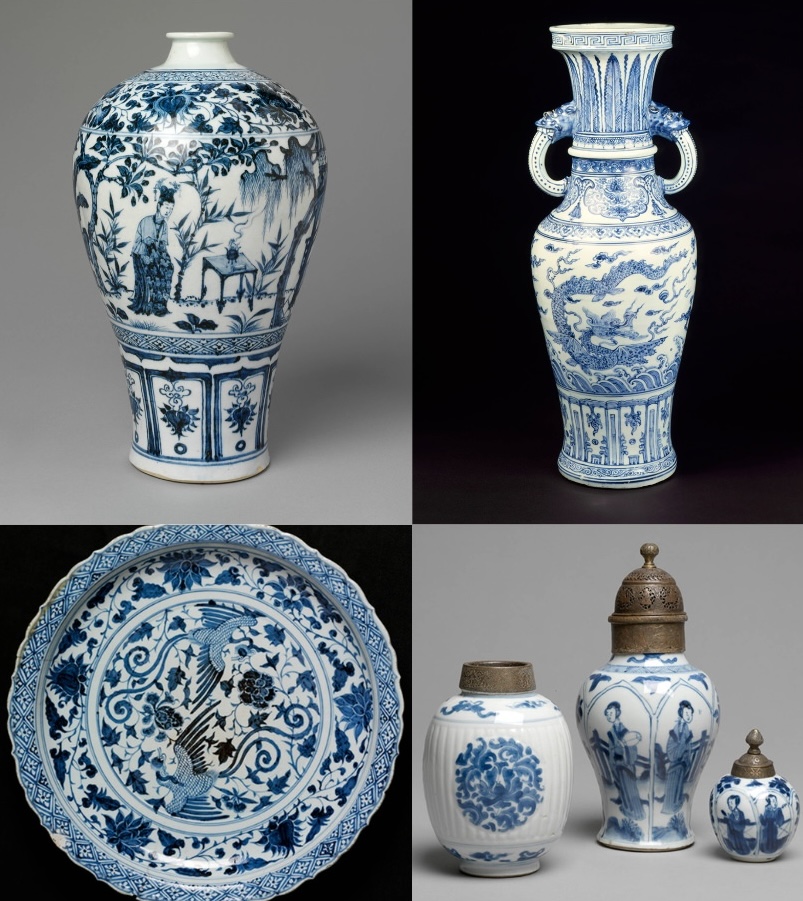
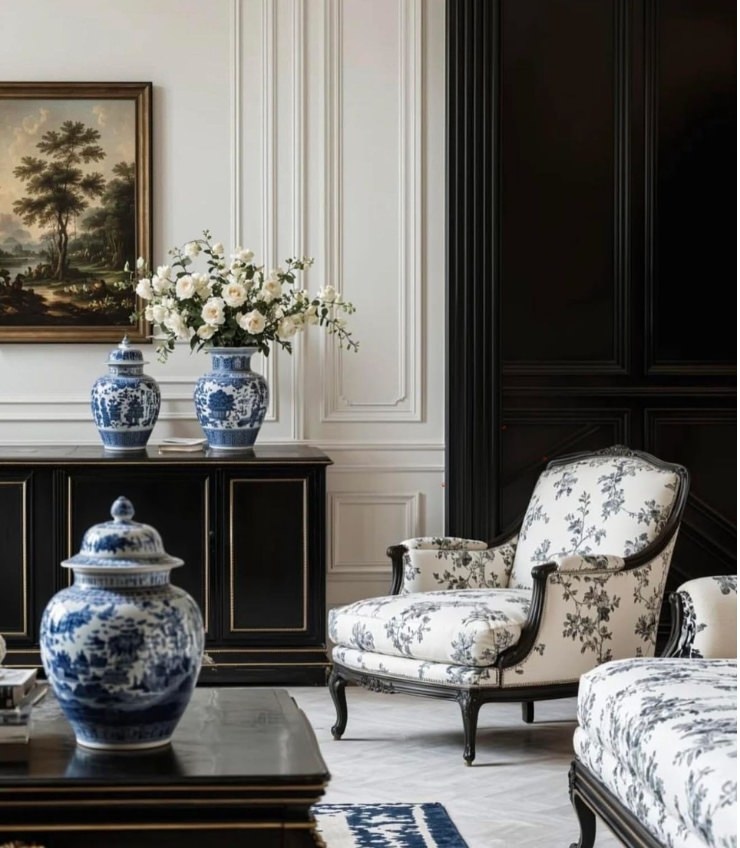
SMALT is the oldest blue pigment that we know of. It was created by Egyptians from smaltite ore and has been widely used since then. Its most well-known application is Chinese pottery, which gave us the classic blue-and-white chinaware.
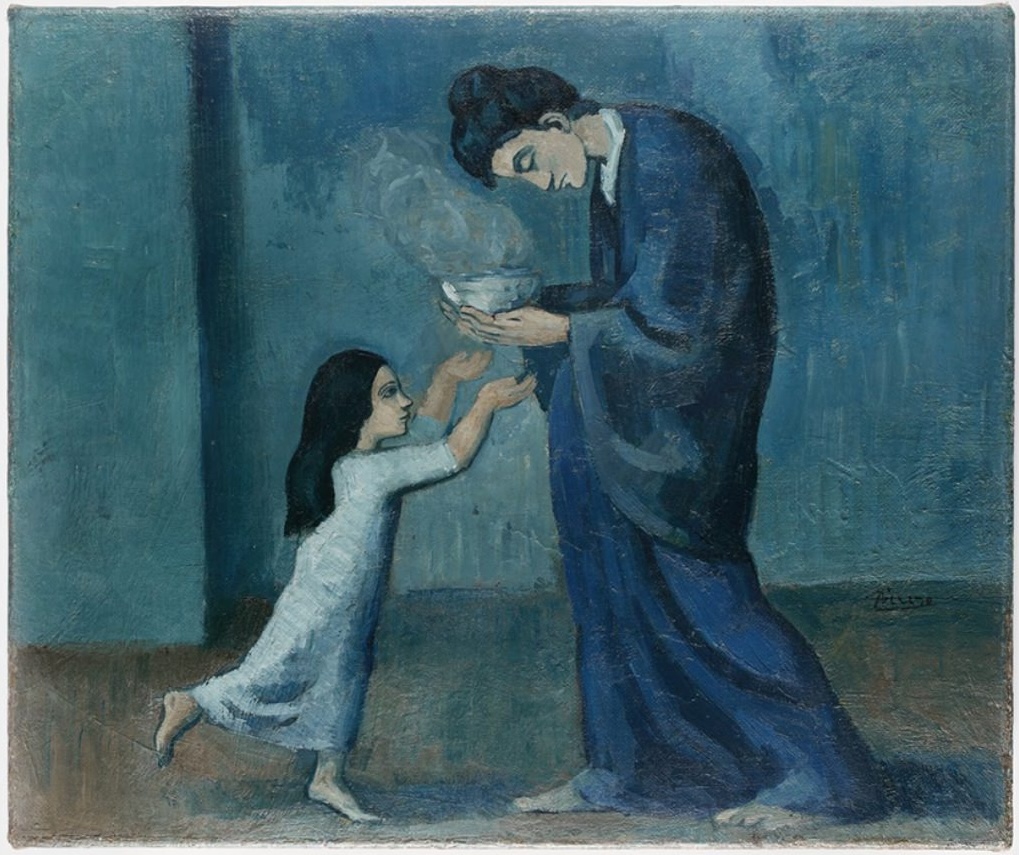
PRUSSIAN BLUE, so popular with the artists (Picasso comes to mind straight away), is the first chemically created blue. It has an alluring colour-shifting nature and melancholic character.
WOAD – the deepest clean blue is derived from the tree leaves. It was most suited for dying wool and was used until the 20th century in England to dye police uniforms.
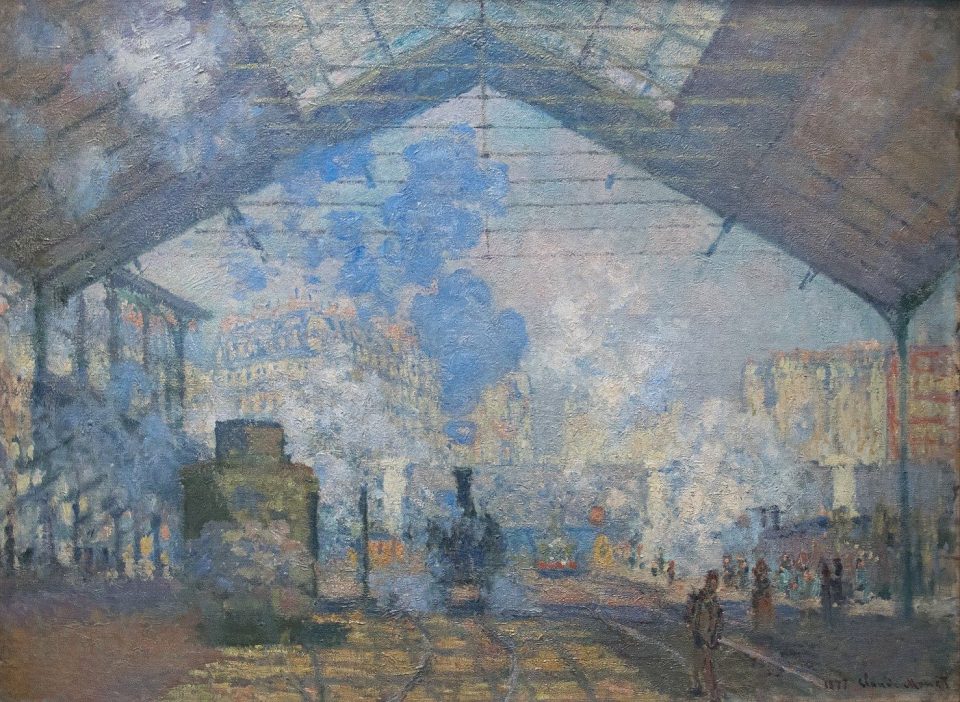
Movie-famous CERULEAN comes from a Latin “coelum” referring to the sky or heavens above and describes a rich and versatile blue. Initially used to describe Egyptian blue – pigment made from copper with silica, lime and alkali, it met its synthetic brother in 1805, born by a Swiss chemist. The affordable pigment was favoured by impressionists, Claude Monet in particular.
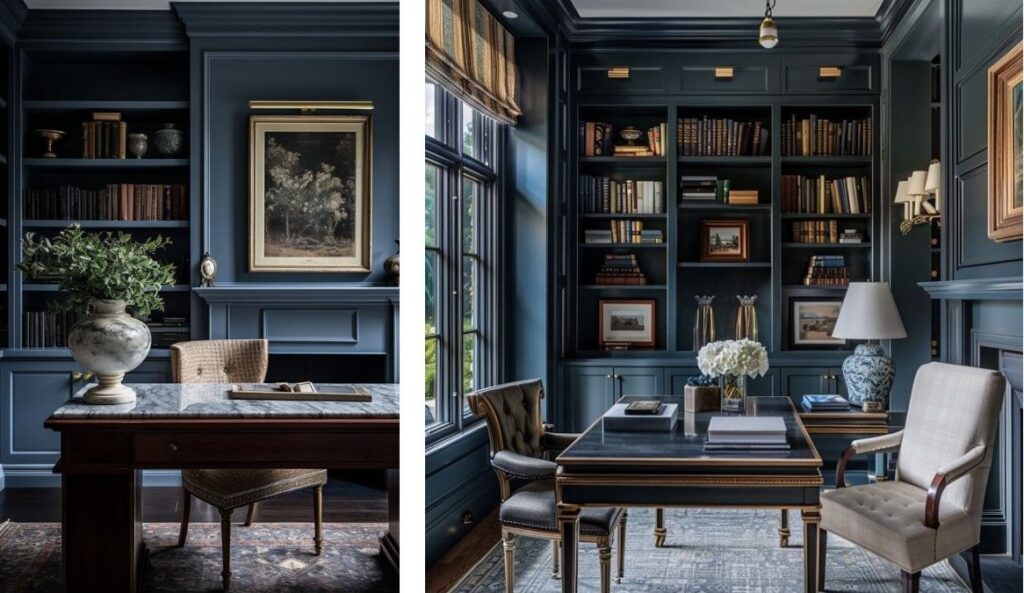
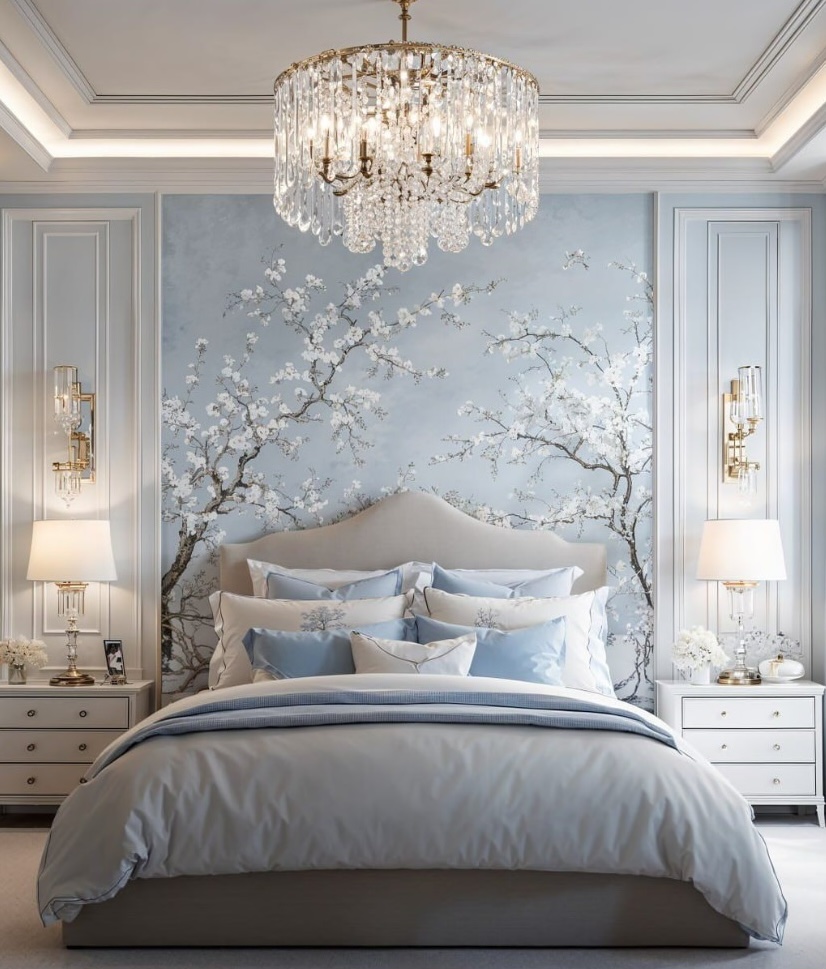
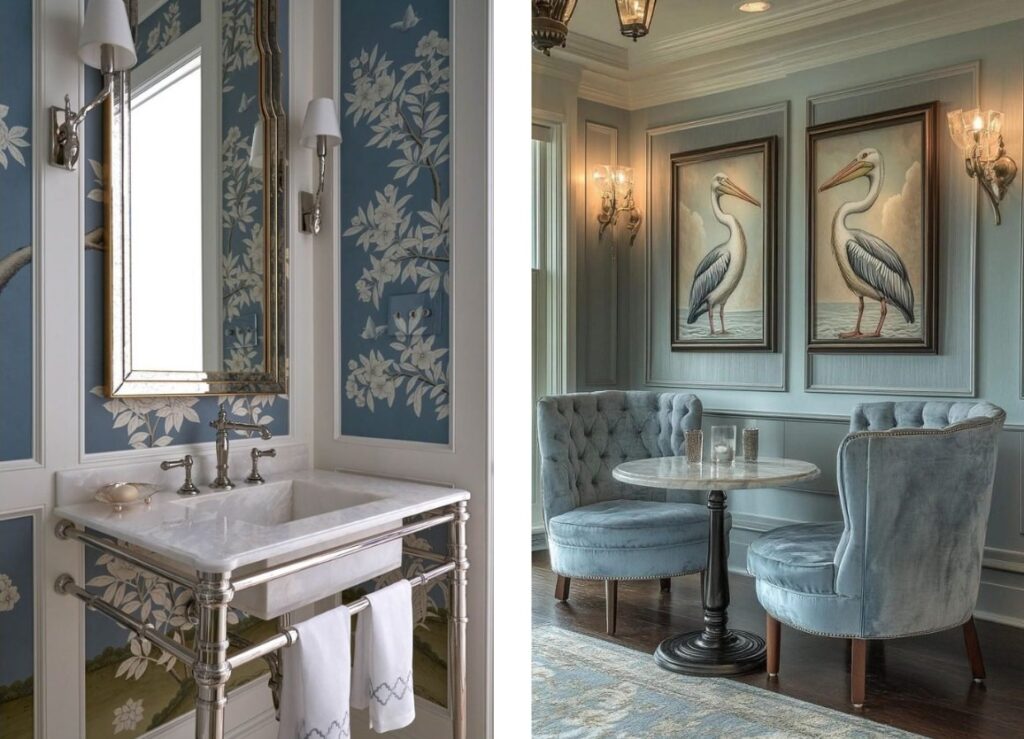
Blue colour in interiors is associated with feelings of calm and tranquillity. It is supposed to lower heart rate and blood pressure, inducing relaxation. It is also associated with introspection, sometimes sadness, as well as enhanced creativity. This is why we often see it in bedrooms and studies.
Blue’s ability to suppress appetite makes it an unpopular choice for dining rooms or restaurant design.
Blue interiors are not welcoming. Being the colour of introverts, entering a blue-dominated space is like being invited into someone’s personal world. It might make you feel cautious or uncomfortable.
DECORATING WITH BLUE
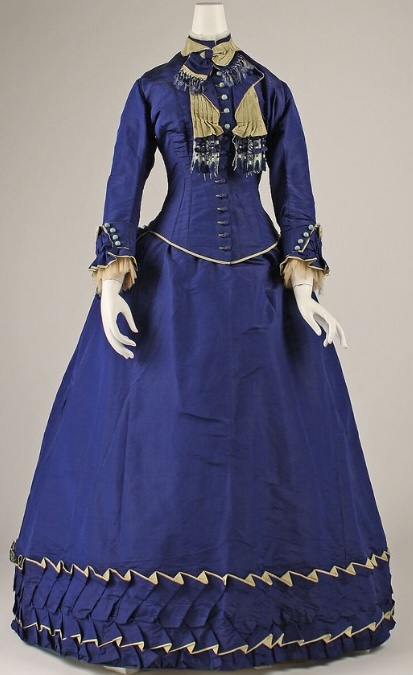
From a designer’s perspective, it is a stand-alone colour. It does not accept accents easily. It is best to let blue work its magic and use it with neutrals:
White will add a fresh and crisp look.
Grey and black will enhance moodiness.
Brown will complement and ground it.
Layering different shades of blue will create depth and dimension.
REVEALING YOUR SECRETS
People who favour the blue colour are considered
- Confident and self-controlled, but may hide vulnerability.
- Require peace, quiet, and time for personal reflection.
- May sometimes be cautious, reserved, and prone to worry.
In summary, lovers of the blue colour are seen as calm, reliable, and empathetic, striving for harmony and offering steady support to those around them.
According to Google AI, Mr Blue would look something like this. Not as exciting as Christian Grey, but for most women, it is pretty great news!
If you are looking for more ideas, follow me:
Get in touch if you would like advice on using colours in your home:
PS: Most of the images in this post are from Pinterest and Google